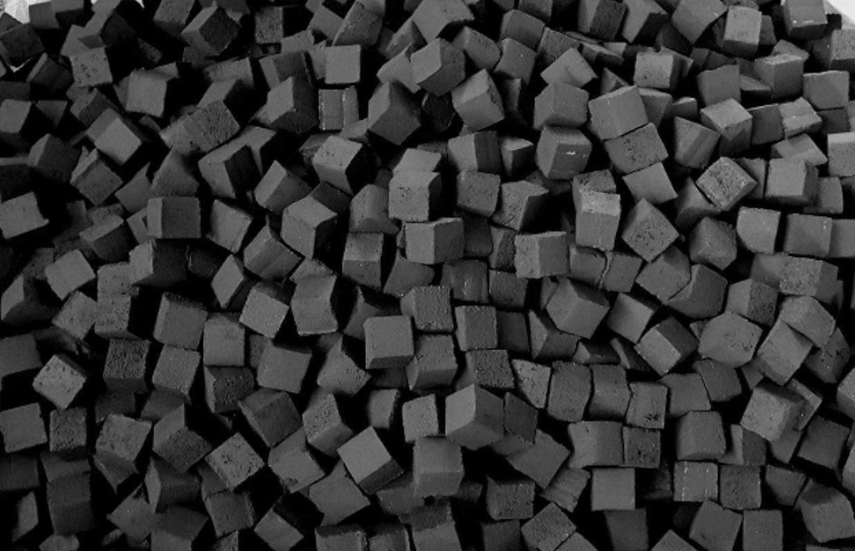

Briquettes: Eco-Friendly and Efficient Energy Source
Briquettes are one of the alternative solutions to meet energy needs in the modern era. As solid fuel made from organic or waste materials, briquettes offer an environmentally friendly and economical option. Here is a comprehensive discussion about briquettes to help you understand their potential and benefits.
What Are Briquettes?
Briquettes are solid fuels produced from compressing organic or inorganic waste materials. The materials used for making briquettes vary, such as:
- Wood
- Coconut shells
- Sawdust
- Rice husks
- Other biomass waste
Through a simple yet effective process, these materials are compacted into specific shapes, such as cylinders or cubes, to make them easier to use.
Advantages of Briquettes
-
Eco-Friendly
Briquettes are made from natural or renewable waste materials. Using briquettes helps reduce the amount of waste discarded into the environment.
-
High Efficiency
With a relatively high energy content, briquettes can be used for various needs, such as cooking, heating, and small-scale industries. Briquettes also produce longer-lasting heat compared to conventional fuels.
-
Cost-Effective
Made from abundant and easily sourced raw materials, briquettes are generally more affordable than other fuels like gas or oil.
-
Low Pollution
Briquette combustion produces less smoke and carbon emissions, making it safer for the environment and health.
Eco-Friendly Briquettes are made from natural or renewable waste materials. Using briquettes helps reduce the amount of waste discarded into the environment.
High Efficiency With a relatively high energy content, briquettes can be used for various needs, such as cooking, heating, and small-scale industries. Briquettes also produce longer-lasting heat compared to conventional fuels.
Cost-Effective Made from abundant and easily sourced raw materials, briquettes are generally more affordable than other fuels like gas or oil.
Low Pollution Briquette combustion produces less smoke and carbon emissions, making it safer for the environment and health.
Types of Briquettes
-
Charcoal Briquettes
Made from coconut shells, wood, or sawdust that has undergone a carbonization process. Charcoal briquettes are widely used for cooking or as heating fuel.
-
Biomass Briquettes
Made from organic waste such as rice husks, straw, or wood shavings. This type is popular for household and small-scale industrial use.
-
Coal Briquettes
Made from a mixture of fine coal and binders. These briquettes are commonly used in the industrial sector due to their high heat output.
Charcoal Briquettes Made from coconut shells, wood, or sawdust that has undergone a carbonization process. Charcoal briquettes are widely used for cooking or as heating fuel.
Biomass Briquettes Made from organic waste such as rice husks, straw, or wood shavings. This type is popular for household and small-scale industrial use.
Coal Briquettes Made from a mixture of fine coal and binders. These briquettes are commonly used in the industrial sector due to their high heat output.
Applications of Briquettes in Daily Life
-
Households
Briquettes are used for cooking, especially in rural areas that lack full access to modern fuels like gas.
-
Small and Medium Industries
Many industries use briquettes as fuel for production processes due to their lower costs and abundant availability.
-
Outdoor Activities
Charcoal briquettes are often used for BBQs or other outdoor activities because they are easy to light and produce stable heat.
Households Briquettes are used for cooking, especially in rural areas that lack full access to modern fuels like gas.
Small and Medium Industries Many industries use briquettes as fuel for production processes due to their lower costs and abundant availability.
Outdoor Activities Charcoal briquettes are often used for BBQs or other outdoor activities because they are easy to light and produce stable heat.
How to Make Briquettes
The process of making briquettes is relatively simple and can be done with basic equipment. Here are the general steps:
- Collecting Raw Materials: Gather materials such as coconut shells, wood shavings, or rice husks.
- Drying: Ensure the raw materials are dry to maximize the quality of the briquettes.
- Grinding: Crush the raw materials into small particles.
- Mixing: Add natural binders such as starch.
- Molding: Compress the mixture using a briquette mold.
- Final Drying: Dry the molded briquettes under the sun or using a drying oven.
Business Opportunities with Briquettes
Briquettes have great potential to be developed as a business, both for local markets and exports. The demand for briquettes continues to grow, especially in countries transitioning to renewable energy sources. With relatively low investment, you can start a briquette business and contribute to providing cleaner energy.
Potential Markets:
- Households
- Restaurants
- Small industries
- International markets, especially for coconut shell charcoal briquettes
Conclusion
Briquettes are a future energy solution that is environmentally friendly, efficient, and economical. With their various advantages and wide applications, briquettes are not only an alternative fuel but also a promising business opportunity. Let’s start switching to briquettes and support the use of more sustainable energy!
Want to learn more about briquettes? Contact us for consultations or explore high-quality briquette products in our catalog!